
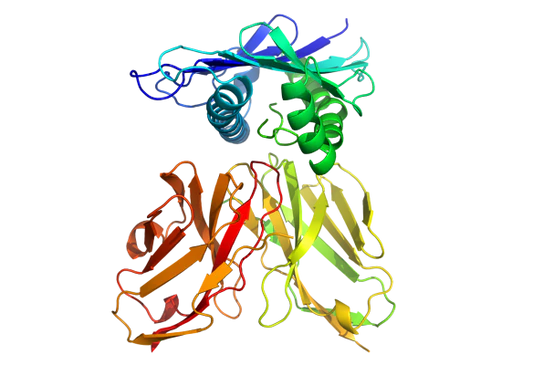
Novel Peptide Ligand
SeroLigand™ Factor VIII Affinity Matrix und SeroLigand™ FSH Matrix Products
Ligand peptides supplier support from Serox GmbH in Mannheim, Germany helps B2B customers develop peptide ligands, affinity ligands and specialized peptide formats with ISO 9001 quality management, Cosmetic GMP awareness where relevant, analytical QC and direct technical project review.
ISO 9001
Quality-managed peptide manufacturing from Germany
Cosmetic GMP ISO 22716
Peptide handling with ISO 22716 standards
Analytical QC
HPLC and mass spectrometry support
Direct RFQ Review
Technical feedback for purity, scale and documentation
Peptide Ligand Formats
Ligand Peptide Product Overview
Select synthetic peptide ligand formats for affinity capture, purification and biomolecule binding applications.
As a ligand peptides supplier Germany partner, Serox supports custom peptide ligands, peptide affinity ligands and affinity chromatography peptides for professional B2B development. These peptide ligands for protein purification can be reviewed as synthetic peptide ligands, immobilization-ready formats or small screening sets according to target, purity and documentation requirements.
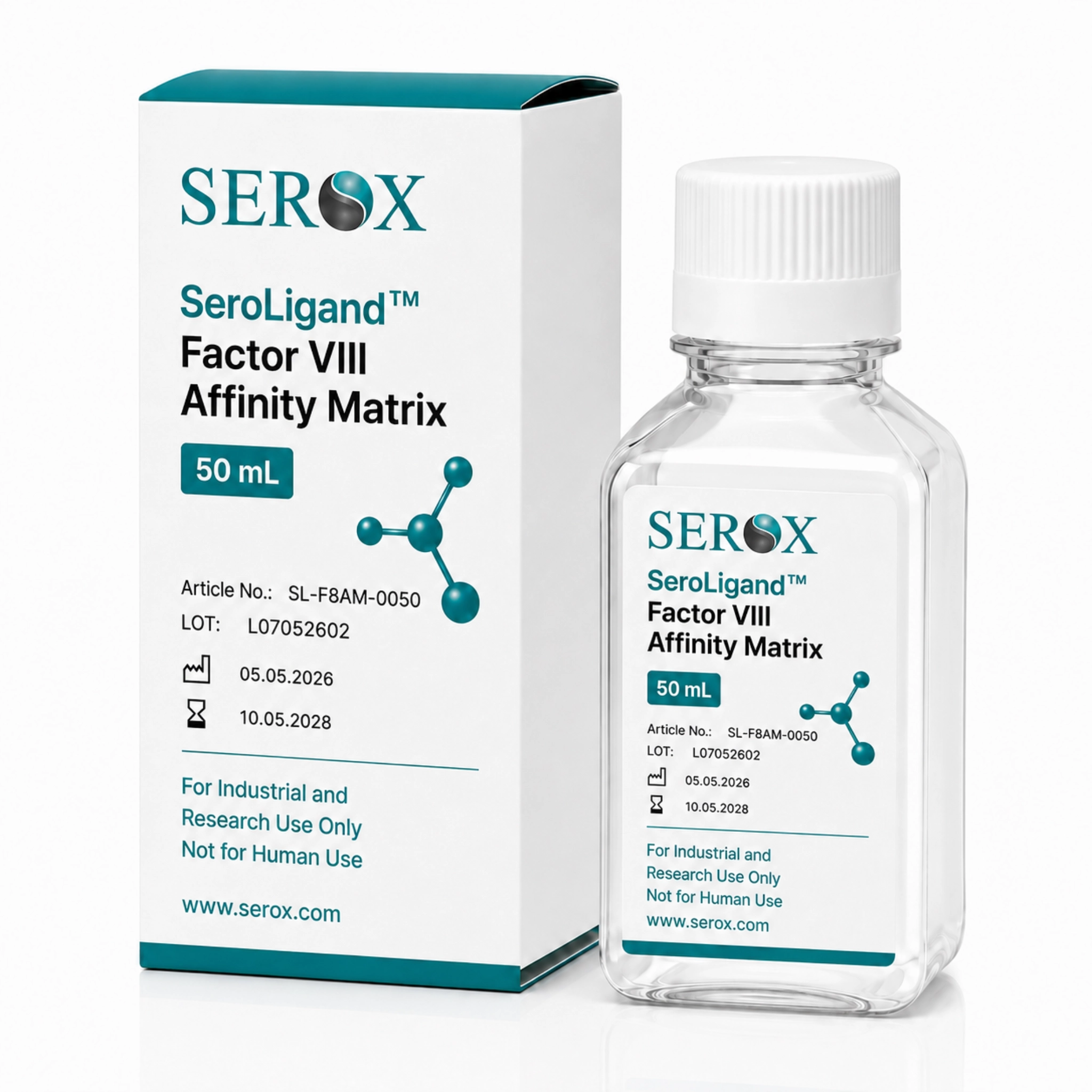
SeroLigand™ Factor VIII Affinity Matrix
Liquid / Ready-to-Use affinity matrix products for Factor VIII capture and purification workflows.
SeroLigand™ Factor VIII Affinity Matrix 100 mL | SL-F8AM-0100
Open details
SeroLigand™ Factor VIII Affinity Matrix 250 mL | SL-F8AM-0250
Open details
SeroLigand™ Factor VIII Affinity Matrix 1 L | SL-F8AM-1000
Open details
SeroLigand™ Factor VIII Affinity Matrix 5 L | SL-F8AM-5000
Open detailsSeroLigand™ Factor VIII Peptide Ligand Powder
Synthetic peptide ligand powder formats for immobilization and customized recombinant Factor VIII affinity purification applications.

SeroLigand™ Factor VIII Peptide Ligand Powder 10 g | SL-F8AM-DP0010
Open details
SeroLigand™ Factor VIII Peptide Ligand Powder 100 g | SL-F8AM-DP0100
Open details
SeroLigand™ Factor VIII Peptide Ligand Powder 500 g | SL-F8AM-DP0500
Open details
SeroLigand™ Factor VIII Peptide Ligand Powder 1 kg | SL-F8AM-DP1000
Open detailsSeroLigand™ FSH Matrix Products
Ready-to-request FSH Matrix powder products for FSH capture and ligand peptide purification workflows.

SeroLigand™ FSH Matrix 50 mL | SL-FSHM-0050
Open details
SeroLigand™ FSH Matrix 100 mL | SL-FSHM-0100
Open details
SeroLigand™ FSH Matrix 250 mL | SL-FSHM-0250
Open details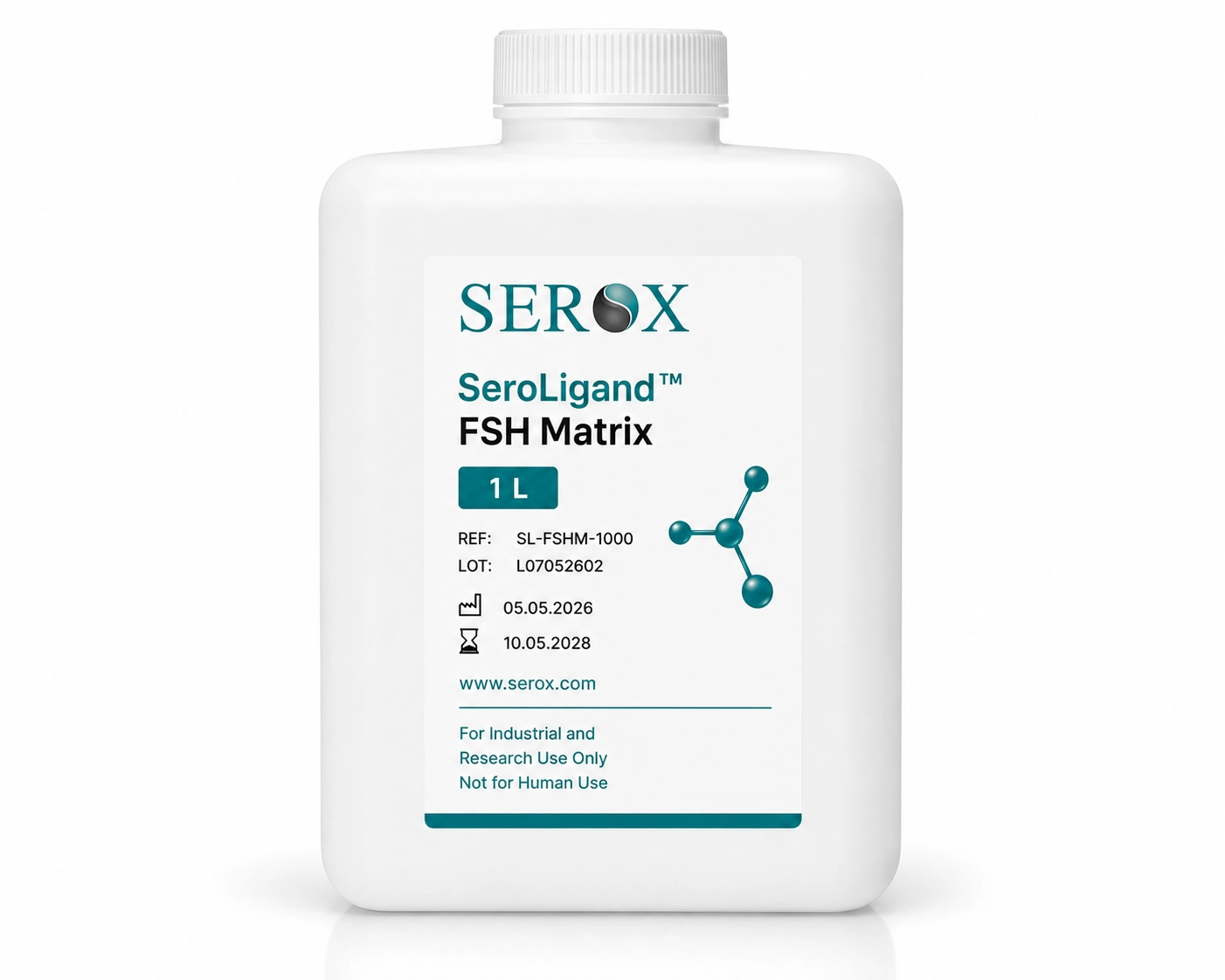
SeroLigand™ FSH Matrix 1 L | SL-FSHM-1000
Open details
SeroLigand™ FSH Matrix 2.5 L | SL-FSHM-2500
Open details
SeroLigand™ FSH Matrix 5 L | SL-FSHM-5000
Open details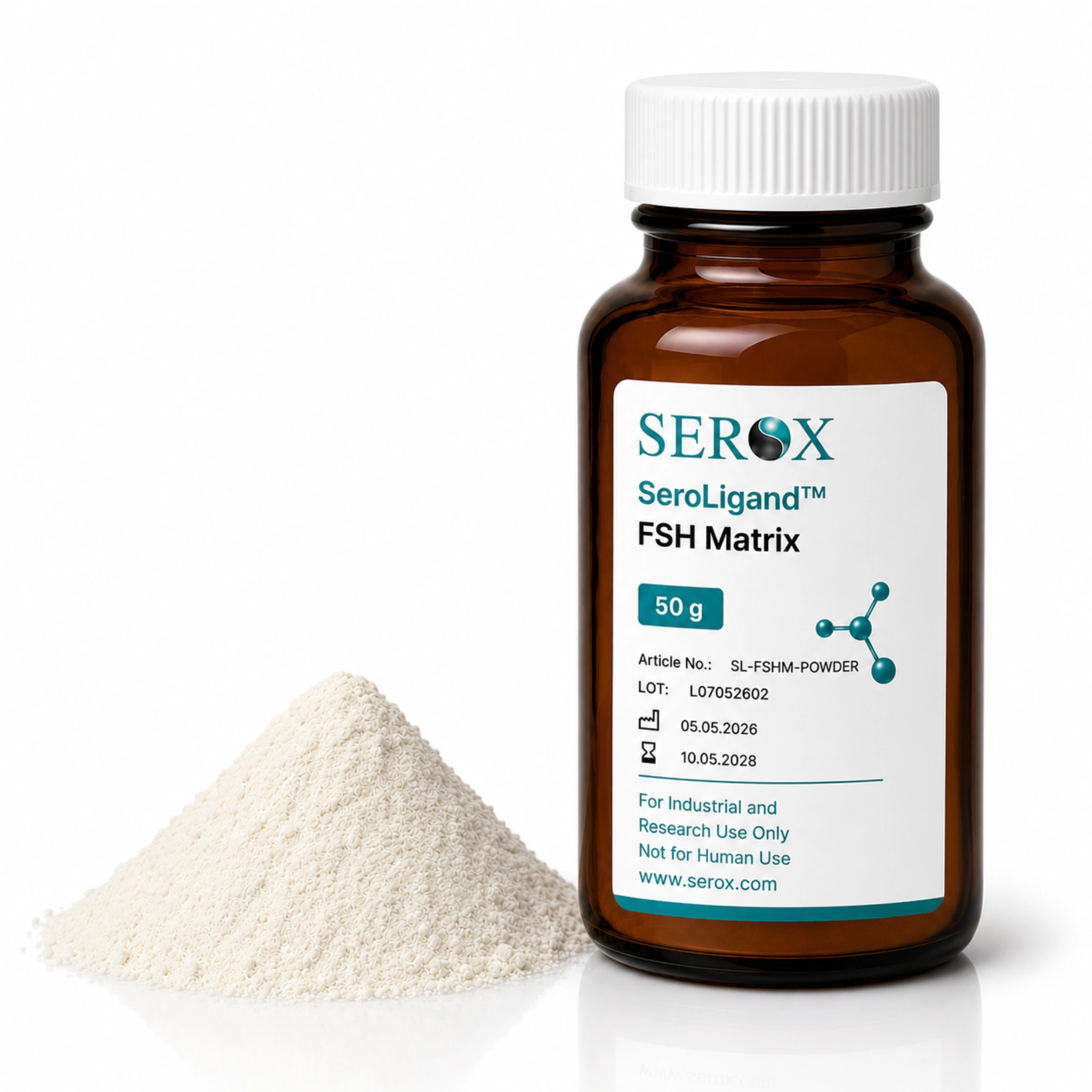
SeroLigand™ FSH Matrix Powder | SL-FSHM-POWDER
Open details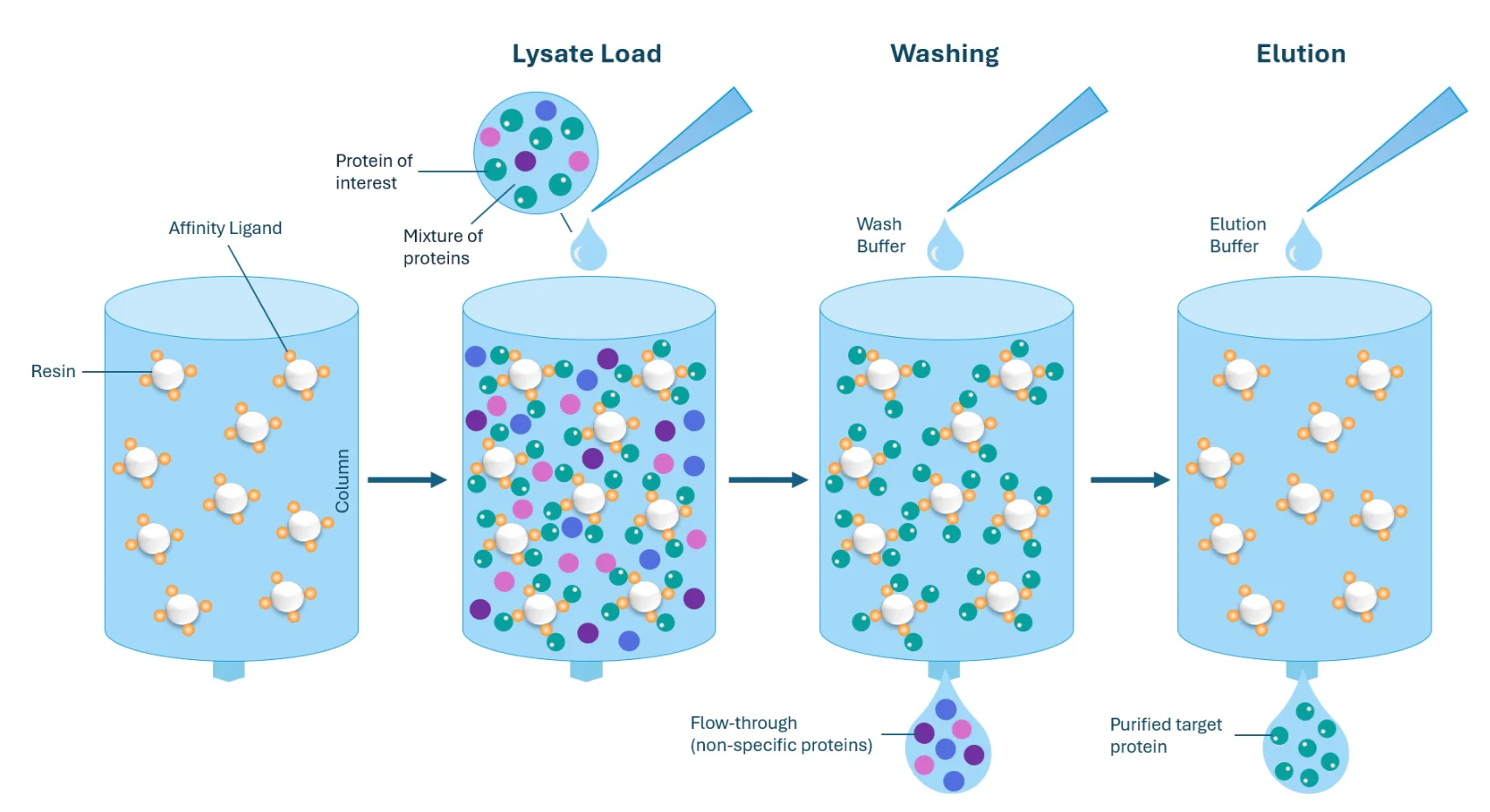
Synthesis Process for Peptide Ligand Affinity Chromatography
Peptide Ligand Affinity Chromatography (PLAC) is a specialized technique used to isolate or purify proteins, peptides, or other biomolecules based on their binding affinity to a specific peptide ligand. In this method, a column is packed with a matrix that has a specific peptide ligand attached to it. The process exploits the high-affinity binding interaction between the peptide ligand and its corresponding target protein or molecule, allowing for selective purification.
- Ligand Immobilization: A peptide ligand is covalently attached to a stationary phase, usually a resin or solid support, inside a chromatography column.
- Sample Application: A mixture of proteins or biomolecules is loaded onto the column. If the target molecule has a high affinity for the peptide ligand, it will bind to it, while non-binding molecules will flow through.
- Washing: After loading the sample, the column is washed to remove non-specifically bound or unbound molecules so that only molecules with high specificity remain attached.
- Elution: The target protein or molecule is then eluted by changing conditions such as pH or ionic strength, or by adding a competing molecule.
- Purification: The eluted target can then be further analyzed or purified, depending on the goal.
What is the Novel Peptide Ligand Technology for Therapeutic Antibody and Protein Purification?
The growing demand for therapeutic biologics, including monoclonal antibodies (mAbs) and non-antibody proteins, highlights the urgent need for efficient and scalable downstream purification technologies. While upstream production methods have advanced significantly, purification processes still depend heavily on Protein A/G and antibody-based affinity chromatography.
Although effective in certain applications, these conventional ligands face significant limitations, including high production costs, limited stability under harsh cleaning conditions, short operational lifespans, and vulnerability to proteolytic degradation. Traditional affinity ligands such as antibodies, antibody fragments, small molecules, nucleic acid aptamers, and globular proteins like Protein A/G are not universally suitable for all conditions.
Larger ligands, including Protein A/G and antibody fragments, are particularly susceptible to proteolytic degradation, which can compromise their performance and potentially release immunogenic fragments into purified products, raising safety concerns. Meanwhile, smaller ligands like nucleic acid aptamers and small molecules often lack robustness in complex biological environments, suffer from non-specific interactions with host cell proteins, or require extensive chemical modifications to enhance their stability.
These inherent challenges underscore the need for innovative affinity ligands that combine robustness, scalability, and specificity to meet the evolving demands of biologics purification. Our peptide-based affinity ligands are engineered to address these limitations, offering superior performance and reliability across diverse bioprocessing conditions.

Innovative Solutions for Purification of Biologics with Peptide Ligands
- Cost-Effectiveness: Our peptide ligands reduce overall costs by eliminating the need for expensive protease inhibitors and providing a more economical alternative to Protein A/G chromatography.
- Enhanced Stability, Selectivity, Affinity, and Yield: Immobilized on agarose-based chromatographic supports via stable amide or thioether bonds, these ligands offer exceptional chemical stability, superior binding efficiency, and high selectivity.
- Extended Matrix Lifespan: The protease-resistant design significantly increases the durability of purification matrices, reducing replacement frequency and lowering operational costs.
- Protease Resistance: These ligands withstand degradation by proteolytic enzymes such as trypsin and alpha-chymotrypsin, maintaining binding performance and preventing the release of immunogenic fragments.
- Robust Native Purification: Our technology enables selective and scalable purification of therapeutic proteins, enzymes, hormones and other biologics while preserving their native, active state under mild conditions.
- Customized Affinity Capture Solutions: By combining rational design, high-throughput screening, and systematic validation, we tailor affinity capture solutions to the specific needs of your downstream workflows.
Applications for Peptide Ligands in Affinity Chromatography
Engineered Peptides for Selective and Efficient Biomolecule Capture
Serox GmbH is your specialized partner for the development and production of synthetic peptide ligands used in affinity purification. Our custom-designed peptides enable highly specific binding, excellent reproducibility, and scalable manufacturing - ideal for biopharmaceutical downstream processing and research applications.
Applications & Advantages
- Targeted Binding - Tailored to specific proteins, antibodies, or receptors
- Antibody-Free - Alternative to biological ligands such as Protein A/G
- High Stability - Resistant to pH shifts and regeneration conditions
- Reusable - Efficient over multiple cycles
- Versatile Use - Suitable for column chromatography, beads, and membranes
Why Choose Synthetic Peptide Ligands?
- Chemically defined - Batch consistency, no animal origin
- Scalable production - Ideal for industrial applications
- Stable & robust - Withstands cleaning and regeneration cycles
- Cost-effective - Lower long-term cost versus antibodies
- Fully customizable - Sequence, spacer, immobilization method
Use Cases & Target Areas
- Affinity purification of monoclonal antibodies (mAbs)
- Isolation of viral particles or exosomes
- Protein complex capture
- Biomarker enrichment from serum or lysates
Custom Ligand Development Workflow
Serox structures custom peptide ligand projects around clear target information, synthesis feasibility, immobilization strategy and analytical review.
1
Target Analysis
Identify epitope, binding domain, protein target, receptor, enzyme or biomarker context.
2
Peptide Design
Review motif options, spacer concepts, cyclic formats or terminal functional groups.
3
Synthesis & Purification
Manufacture the selected peptide format with project-specific purity and documentation.
4
Functionalization
Prepare immobilization-oriented formats for resin, bead, membrane or solid-surface coupling.
5
Validation Support
Support binding assay planning, comparison sets and application-specific feasibility review.
Analytical QC (HPLC, LC-MS) for Ligand Peptides
Whether you need a peptide ligand for a novel therapeutic protein or wish to replace expensive biological ligands, Serox GmbH supports your project from feasibility to final implementation.
Purity, identity, sequence risk, modification strategy and documentation expectations are reviewed before production. HPLC and LC-MS can support quality control for ligand peptides used in affinity capture, screening and protein purification projects.
Typical delivery time: 3-5 weeks from project start
GMP-compliant options available
Purity Comparison (95% vs 98%) for Ligand Peptides
With custom peptide ligands from Serox GmbH, you gain full control, defined purity targets, strong selectivity and consistent performance - designed and produced in Germany.
Ligand Peptide Supplier FAQ
Which ligand peptide formats can be discussed?
Projects may include affinity ligand concepts, modified peptides, terminal formats, labels or specialized sequences depending on technical feasibility.
How should a ligand peptide inquiry be prepared?
Provide sequence or design target, application, scale, purity level, modification requirements and analytical documentation needs.
Does Serox provide analytical QC?
Yes, analytical QC can include HPLC and LC-MS for purity and identity evaluation.
Start a ligand peptide project
Request custom peptide ligands for affinity capture and protein purification
Send your target, sequence concept, immobilization requirement, purity target and intended workflow. Serox will review feasibility, synthesis route, QC and documentation needs for your peptide ligand project.
Technical Peptide Manufacturing Support from Germany
Serox GmbH supports industrial and research peptide projects from Mannheim, Germany with ISO 9001 quality management, Cosmetic GMP ISO 22716 standards, advanced analytical quality control and a team bringing over 20 years of peptide manufacturing expertise. Our peptide services are intended for professional industrial and research use only and are not intended for food or sport purposes.